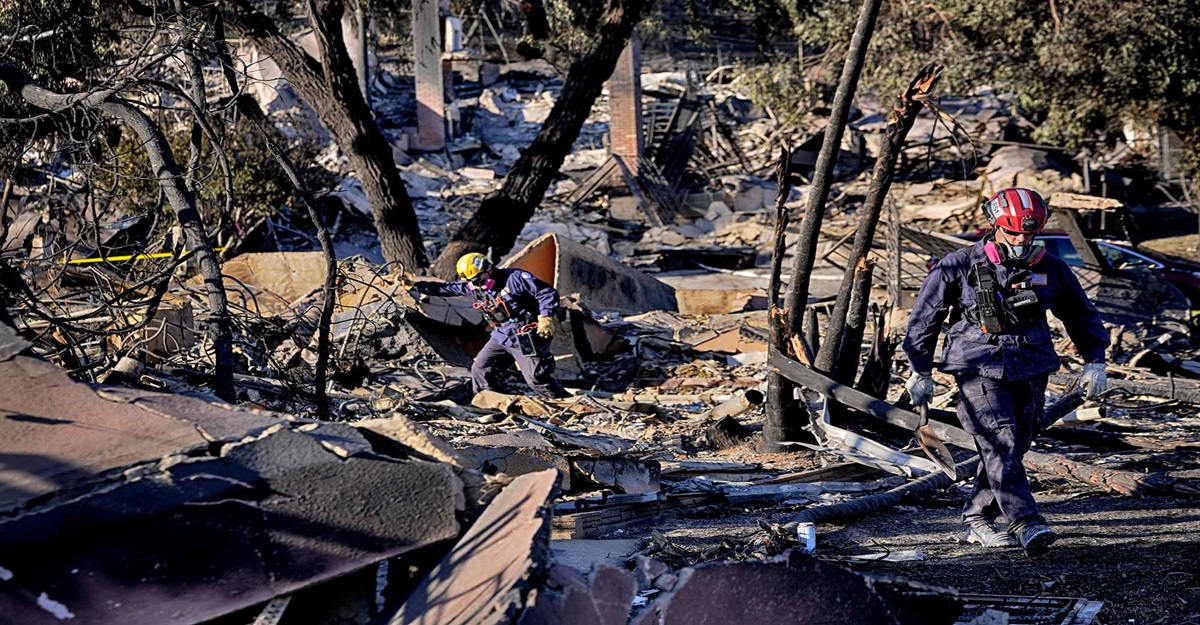
The LA wildfires left behind more than burned hillsides and damaged neighborhoods. Long after flames faded, doctors began seeing patterns that did not fully match past wildfire events. Patients arrived with familiar complaints, yet something felt different. Symptoms lingered longer. Recovery slowed. Some reactions appeared out of proportion to earlier exposure levels.
What First Drew Attention
Doctors across Los Angeles compared notes quietly at first. Many patients shared similar exposure histories. Smoke inhalation occurred during evacuation or daily routines. That part was expected. The unusual element involved how symptoms progressed.
Instead of improving once air quality stabilized, complaints stayed active. Coughs persisted. Chest tightness returned after brief relief. Fatigue appeared deeper than seasonal illness would explain. Physicians noticed these issues affected both healthy adults and those with existing conditions.
Patterns began to stand out once case numbers increased. The volume alone made coincidence unlikely.
Respiratory Symptoms That Behaved Differently
Respiratory irritation always follows major fires. This time, doctors observed longer-lasting inflammation. Airways seemed more reactive. Standard treatments worked, but relief took longer than usual.
Patients described sensations that shifted day to day. Some felt improvement, only to relapse without clear triggers. Others developed symptoms days after smoke exposure ended. Doctors considered delayed responses rather than immediate irritation alone.
These reactions suggested something more complex than typical smoke inhalation.
Particulate Matter and Prolonged Exposure
Wildfire smoke carries fine particulate matter capable of penetrating deep into the lungs. Doctors already understood that risk. What raised concern involved duration.
Even short exposure windows appeared to cause extended symptoms. Physicians suspected fine particles lingered inside the body longer than expected. Breathing tests sometimes showed inflammation without clear infection signs.
Medical researchers focused on how these particles interact with lung tissue. Observations hinted at prolonged irritation rather than quick clearance.
Unexpected Systemic Effects
Respiratory issues dominated visits, yet doctors noticed additional complaints. Headaches occurred more often. Sleep disruption appeared common. Patients reported brain fog and difficulty concentrating.
These symptoms did not always appear alongside breathing trouble. That separation caught attention. Doctors considered whether wildfire smoke affected more than lungs alone.
Systemic inflammation became a topic of discussion. Smoke exposure may have triggered broader responses within the body, even after air quality improved.
Children and Older Adults Showed Distinct Patterns
Pediatric clinics reported similar concerns. Children experienced lingering coughs and fatigue. Recovery timelines stretched beyond typical expectations. Parents noticed changes in activity levels weeks later.
Older adults faced their own challenges. Preexisting conditions worsened. Cardiac strain appeared more noticeable. Doctors monitored these patients closely, aware that wildfire exposure can amplify underlying health issues.
Age-related vulnerability played a role, yet doctors still felt the reactions differed from previous fire seasons.
Repeat Visits Raised Red Flags
One unusual sign involved repeat clinic visits. Patients returned more frequently than expected. Standard guidance usually resolves wildfire-related symptoms within days or weeks. This time, follow-up visits became routine.
Doctors adjusted treatment plans. Some extended medications. Others ordered additional testing to rule out infection or unrelated illness. Results often came back normal, reinforcing that smoke exposure remained the likely cause.
The repeat nature of visits made physicians reconsider assumptions about recovery timelines.
Observations Across Southern California
Reports extended beyond Los Angeles city limits. Clinics throughout Southern California shared similar experiences. The geographic spread suggested a regional pattern rather than isolated incidents.
Physicians exchanged observations through professional networks. Shared notes revealed consistent themes: delayed symptom onset, prolonged irritation, and broader systemic effects.
That consistency strengthened concerns and pushed discussions toward deeper investigation.
Medical Researchers Take Notice
Medical researchers followed clinical observations closely. Data collection focused on symptom duration and patient outcomes. Patterns aligned with what doctors saw daily.
Researchers emphasized caution. Observations did not yet represent final conclusions. Still, the signals warranted attention. Long-term exposure effects remained under study.
Doctors welcomed this collaboration. Clinical insight paired with research helped shape better guidance for future wildfire seasons.
Why This Fire Season Felt Different
Several factors came under discussion. Smoke density varied across neighborhoods. Weather conditions influenced how long particles stayed suspended. Urban environments added complexity.
Doctors avoided quick conclusions. No single factor explained everything. Instead, overlapping elements likely contributed to the unusual patterns.
This uncertainty reinforced the need for careful monitoring rather than assumptions based on past experiences.
Patient Guidance Shifted
Physicians adjusted how they advised patients. Emphasis moved toward longer observation periods. Doctors encouraged follow-up visits even after initial improvement.
Hydration, rest, and medication adherence remained important. At the same time, doctors stressed paying attention to subtle symptoms that lingered.
Clear communication became essential. Patients needed reassurance without minimizing their experiences.
Lessons for Future Wildfire Seasons
Doctors recognized that wildfire health effects may evolve. Each season brings different conditions. Medical responses must adapt.
Clinics considered updating intake questions. Exposure timelines gained importance. Even brief encounters with smoke deserved attention.
Preparedness became a shared priority across hospitals and clinics.
Internal and External Resource Awareness
Doctors encouraged patients to stay informed through local health departments. General health resources provided guidance on air quality monitoring and protective steps.
External organizations focused on respiratory health offered educational materials. These resources supported patient understanding without overwhelming them. Awareness helped bridge the gap between exposure and care.