
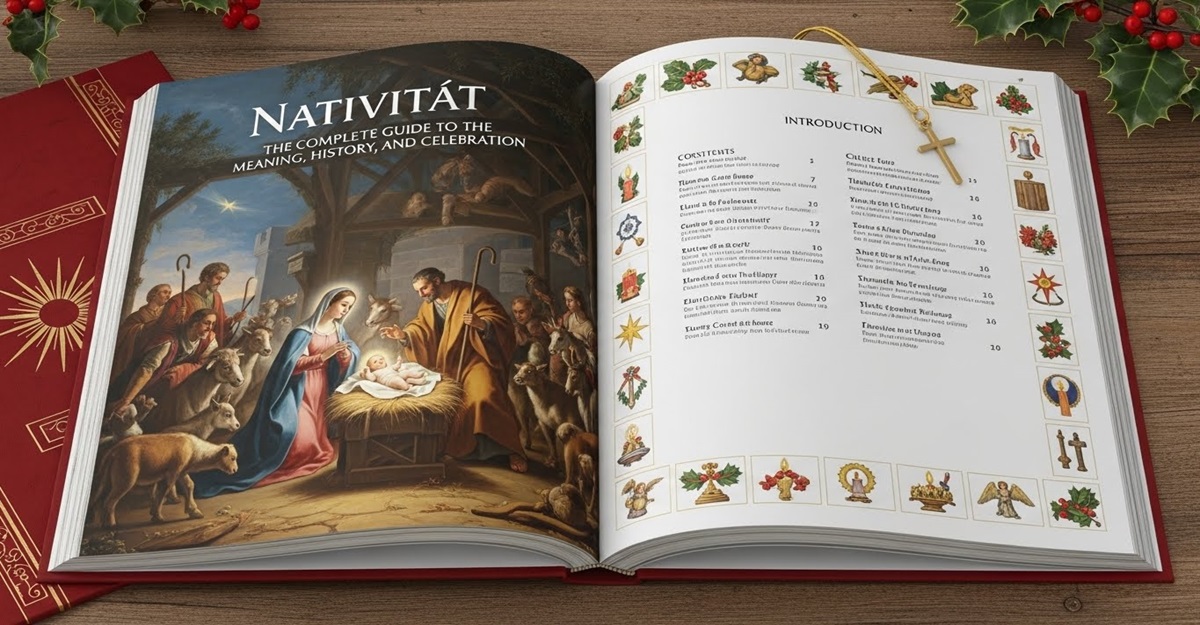
Nativität stands as one of the most recognized and deeply rooted traditions connected to Christmas. The term carries meaning that reaches far beyond decoration or seasonal custom. It reflects a story, a belief system, and a shared cultural memory passed down over centuries. People encounter Nativität in churches, homes, public squares, and art, often without pausing to consider how the tradition formed or why it still matters today.
This guide walks through Nativität in a clear and natural way. History, meaning, symbolism, and celebration appear in the same order and depth commonly presented, yet expressed with fresh wording. Every section builds gently on the last, allowing the full picture to unfold without rush.
What Nativität Means
Nativität refers to the birth of Jesus Christ. The word itself comes from Latin roots connected to birth and origin. Over time, it became closely associated with the Christian account of Jesus’s birth, as described in biblical tradition.
The meaning of Nativität goes beyond the event alone. It symbolizes hope, humility, and the beginning of a spiritual message that shaped Christian belief. The setting of the story remains simple and modest, which continues to influence how Nativität is represented today.
Historical Background of Nativität
The origins of Nativität trace back to early Christian communities. Accounts of the birth appear in the Gospels and formed the foundation for later traditions. Early Christians did not immediately celebrate the birth as a formal event. Focus rested more on teachings and resurrection.
Gradually, the birth story gained greater emphasis. As Christmas developed as a recognized celebration, Nativität became central to its meaning. Artistic representations began appearing in churches and manuscripts, helping spread the story to wider audiences.
At this point in history, Nativität served both religious and educational roles. Many people could not read, so visual storytelling helped communicate belief and tradition clearly.
The Setting of the Nativity Story
The story unfolds in Bethlehem, a small town that holds major symbolic weight. According to tradition, circumstances led Mary and Joseph there during a census.
The birth took place in humble surroundings. A stable or simple shelter often appears in descriptions, reinforcing the theme of modest beginnings. This detail remains essential to how Nativität is understood and portrayed.
Animals, shepherds, and a quiet nighttime atmosphere complete the setting. These elements continue to appear in art, displays, and storytelling, keeping the original tone intact.
Key Figures in Nativität
Several figures shape the Nativität narrative. Each plays a distinct role, contributing meaning and balance to the story.
Mary and Joseph
Mary represents faith and acceptance. Her role carries emotional depth and quiet strength. Joseph appears as protector and guide, offering support during uncertain circumstances.
Together, they form the human center of Nativität. Their presence emphasizes family, trust, and resilience.
Shepherds and Angels
Shepherds receive news of the birth through angelic messages. Their inclusion highlights accessibility and humility. The message reaches ordinary people first, which remains a powerful theme in Christian tradition.
Angels symbolize guidance and divine announcement. Their appearance adds wonder and reassurance without overshadowing the simplicity of the scene.
The Child
The infant Jesus rests at the heart of Nativität. Representations often show vulnerability and peace rather than grandeur. This visual choice reflects the belief that significance does not always arrive through power or status.
Symbolism Within Nativität
Every element of Nativität carries symbolic meaning. The stable suggests humility. The manger represents provision and care. Light, often shown through stars or candles, signals hope and guidance.
Even silence plays a role. Many depictions emphasize calm rather than celebration. This quiet tone invites reflection and reverence rather than spectacle.
Over centuries, symbolism helped maintain consistency across cultures while allowing artistic expression to vary.
Development of Nativity Scenes
Physical nativity scenes emerged as a way to bring the story into shared spaces. Churches displayed them first, using figures and settings to retell the birth visually.
Eventually, nativity scenes appeared in homes. Families arranged figures each year, often passing sets down through generations. This practice turned Nativität into both a public and private tradition.
Materials changed over time. Early scenes used stone or wood, while later versions included clay, fabric, and modern materials. Despite these changes, the core arrangement stayed recognizable.
Nativität and Christmas Tradition
Nativität sits at the heart of Christmas celebrations. Carols, readings, and church services frequently return to the birth story. The narrative provides meaning to surrounding customs such as gift-giving and gatherings.
Christmas without Nativität would lose much of its spiritual foundation. Even in more secular settings, nativity imagery continues to appear, suggesting its deep cultural reach.
At this point, tradition and belief intertwine. Nativität becomes both religious expression and shared heritage.
Artistic Representations Through Time
Artists across centuries interpreted Nativität in countless ways. Paintings, sculptures, and later illustrations reflected the styles and values of their eras.
Medieval art emphasized symbolism and reverence. Renaissance works added realism and emotion. Later interpretations explored simplicity or cultural adaptation.
Despite stylistic differences, essential elements remained constant. Viewers could always recognize the scene, regardless of artistic approach.
Cultural Variations of Nativität
Different regions developed unique approaches to Nativität. Some cultures added local clothing or landscapes to nativity scenes. Others expanded the number of figures or emphasized specific moments.
These variations did not alter the core story. Instead, they helped communities connect personally with the tradition. Local expression strengthened global continuity.
Even so, the central message stayed intact, allowing Nativität to cross borders and languages.
Modern-Day Celebration of Nativität
Today, Nativität appears in churches, public squares, schools, and homes. Live nativity performances recreate the scene using actors and animals. Static displays remain common as well.
Many people engage with Nativität as a moment of pause during a busy season. The simplicity of the scene offers contrast to modern pace and noise.
Public displays sometimes spark discussion, yet the tradition continues to hold meaning for millions worldwide.
Why Nativität Still Matters
Nativität endures because it speaks to universal themes. Birth, hope, family, and humility resonate across time. The story remains accessible, even to those unfamiliar with religious details.
The image of a simple beginning carries emotional weight. It reminds people that value does not depend on status or wealth.
Still, Nativität also serves as a bridge between past and present. Traditions repeated each year create continuity and shared memory.
Common Elements Found in Nativity Displays
Most nativity scenes include specific components arranged in familiar ways:
-
Central figures placed near the manger
-
Animals positioned close to the stable
-
Shepherds shown approaching or observing
-
Light represented through stars or candles
These elements help viewers immediately recognize the story, even when artistic style changes.
The Role of Storytelling
Storytelling keeps Nativität alive. Readings during Christmas services, family discussions, and educational programs all contribute to understanding.
Stories allow interpretation without altering facts. Each retelling brings warmth and clarity, ensuring the tradition remains relatable.
Even so, the core narrative stays unchanged, reinforcing continuity.
Reflection and Meaning Today
Modern audiences often approach Nativität as reflection rather than doctrine. The scene invites quiet thought amid celebration.
Some focus on spiritual meaning. Others see cultural value. Both approaches coexist, allowing the tradition to remain relevant.
Nativität does not demand uniform interpretation. Its strength lies in openness and simplicity.
Conclusion
Nativität remains a cornerstone of Christmas tradition, carrying meaning shaped by history, belief, and culture. From humble beginnings in Bethlehem to global recognition, the story continues to resonate.
Through symbolism, art, and shared practice, Nativität offers a reminder of hope and simplicity. Its lasting presence shows how a single story can shape centuries of tradition without losing its core message.