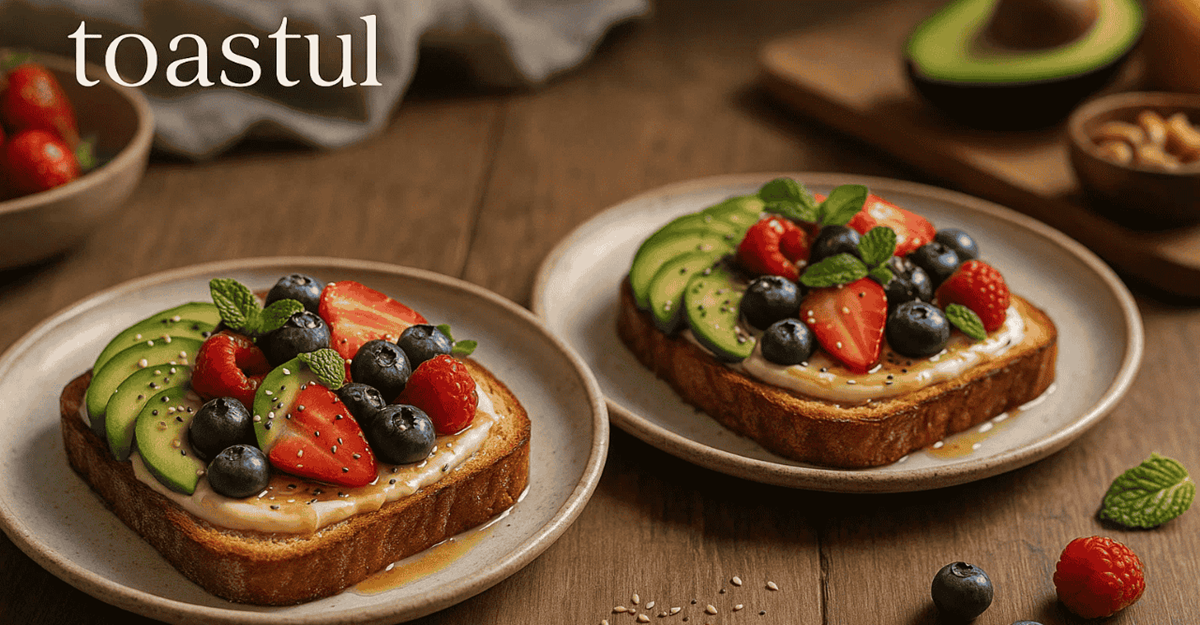
Toast once lived quietly in the background of everyday meals. It arrived warm, lightly crisped, and rarely noticed beyond its role as a base for butter or jam. Little thought went into how it looked or what it could become. Over time, that simplicity began to feel incomplete. Palates shifted. Expectations changed. Presentation started to matter just as much as flavor. Subtle choices carried more weight than before. Toastul stepped into this moment naturally, taking something familiar and giving it direction, clarity, and purpose without stripping away its comfort.
Toastul The Modern Evolution of Gourmet Toast Culture goes beyond a passing food preference. It reflects how everyday staples gain renewed value once intention shapes each decision. Bread selection, texture, balance, and restraint all play a role. Nothing appears accidental. This transformation unfolded slowly, shaped by changing dining habits, a stronger focus on visual appeal, and a preference for meals that feel intentional without becoming heavy or complex. People began to seek food that satisfies both the eye and the palate, offering a sense of completeness while still fitting smoothly into everyday routines.
The sections ahead examine how Toastul aligns with this shift, how gourmet toast moved from side item to centerpiece, and why this refined approach continues to feel relevant. The story centers on simplicity handled with care, showing how small changes can redefine something once taken for granted.
Understanding Toastul as a Concept
Toastul stands as a modern expression of toast culture rather than a single dish. The idea centers on elevating toast through careful combinations, quality ingredients, and deliberate presentation. Simplicity remains at the core, yet nothing feels accidental.
Rather than piling excess onto bread, Toastul relies on contrast. Crisp textures meet soft layers. Mild flavors sit beside sharper notes. Each element plays a role without overpowering the base. Bread still matters. Toast still leads.
This balance defines why Toastul feels distinct. It respects tradition but speaks in a contemporary voice. The result feels approachable, even when flavors grow bold.
The Rise of Gourmet Toast Culture
Gourmet toast did not appear out of thin air. Cafés and casual dining spaces searched for food that fit modern routines. People wanted something quick yet satisfying. Something photogenic but grounded. Toast offered that canvas.
As brunch culture expanded, toast evolved. Ingredients became more intentional. Presentation turned cleaner. Portions stayed manageable. Toastul emerged from this environment, shaped by visual storytelling and flavor precision.
At this point, toast no longer served as a side. It became the main event. Toastul leaned into that shift without losing restraint.
Core Elements That Define Toastul
Several elements consistently shape the Toastul approach. Each contributes to the overall identity without demanding attention on its own.
- Quality bread forms the base, chosen for structure and texture
- Balanced toppings avoid excess and focus on harmony
- Visual clarity keeps each layer recognizable
- Portion control maintains elegance rather than indulgence
These principles guide every variation. Still, flexibility remains. Toastul adapts without losing its sense of self.
Ingredient Pairing and Flavor Direction
Flavor within Toastul stays intentional. Sweet options lean subtle rather than sugary. Savory choices rely on contrast instead of heaviness. Every bite aims for completeness without fatigue.
Creamy elements soften crisp toast. Fresh components lift richer notes. Seasoning stays controlled. Nothing shouts.
This restraint separates Toastul from trend-driven food that fades quickly. Taste leads, not novelty.
Presentation and Visual Language
Presentation matters deeply within gourmet toast culture. Toastul treats the plate as part of the experience. Clean lines replace clutter. Colors stay natural. Garnishes serve purpose rather than decoration.
Visual appeal supports the eating experience. It sets expectation. It invites pause. Toastul understands that food often gets seen before tasted, especially in modern dining spaces. Even so, visual clarity never overshadows function. Toast remains easy to eat. Structure holds. Balance stays intact.
Toastul in Modern Dining Spaces
Toastul fits naturally into cafés, casual restaurants, and contemporary kitchens. It aligns with menus that value flexibility and freshness. Time of day matters less. Toastul works equally well in morning or midday settings.
This adaptability adds to its appeal. Toastul does not force a moment. It meets diners where they already are.
Menus benefit from this versatility. Toast options offer range without complexity. Toastul proves that thoughtful food does not require lengthy preparation or heavy plating.
Cultural Shifts Behind Toastul’s Appeal
Several cultural shifts support Toastul’s rise. Eating habits favor smaller, curated meals. People appreciate food that feels intentional without demanding time. Visual culture shapes expectations.
Toastul speaks to those shifts quietly. It avoids spectacle. Instead, it offers familiarity refined.
At this stage, gourmet toast feels less like a trend and more like a settled category. Toastul helped guide that transition by defining boundaries without closing possibilities.
Texture as a Central Experience
Texture drives much of Toastul’s satisfaction. Crisp toast anchors the dish. Soft spreads create contrast. Fresh toppings add variation.
This layering keeps each bite engaging. Texture changes as flavors shift. Toastul understands that enjoyment often comes from mouthfeel as much as taste.
Still, balance rules. No single texture dominates. Everything supports the base.
Simplicity Without Plainness
Toastul demonstrates how simplicity does not equal blandness. Fewer components allow each ingredient to matter. Small adjustments carry impact.
This philosophy appeals to diners who prefer clarity over complexity. Toastul avoids confusion. It feels confident without explanation.
Such restraint requires discipline. Every choice counts. Toastul embraces that challenge.
Table: Key Characteristics of Toastul-Style Gourmet Toast
| Aspect | Description |
|---|---|
| Base | Toasted bread selected for structure |
| Flavor | Balanced, restrained combinations |
| Texture | Crisp foundation with soft contrasts |
| Presentation | Clean, minimal, intentional |
| Portion | Satisfying without excess |
Long-Term Relevance of Gourmet Toast
Gourmet toast persists because it adapts. Toastul reflects that adaptability. Ingredients change. Preferences shift. The core remains.
This longevity separates lasting food concepts from fleeting trends. Toastul does not chase extremes. It refines fundamentals.
As dining habits continue to evolve, toast retains its place through versatility. Toastul stands as proof.
Toastul and Everyday Eating
Toastul works beyond restaurants. Home kitchens adopt similar ideas. Simple upgrades elevate routine meals. Bread becomes a starting point rather than an afterthought.
This accessibility strengthens Toastul’s influence. Anyone can apply its principles. Quality, balance, and intention translate easily.
Gourmet does not feel distant here. It feels achievable.
Why Toastul Resonates Now
Timing plays a role. Modern eaters value food that aligns with pace and preference. Toastul answers that need without noise.
It offers comfort with clarity. Familiarity with care. Toastul The Modern Evolution of Gourmet Toast Culture reflects this moment precisely.
Nothing feels forced. Everything feels considered.
Conclusion
Toastul demonstrates the quiet power of a simple idea when every choice is made with intention. What was once a supporting element on the plate now holds its own, built thoughtfully and presented with confidence. Toast no longer fades into the background. It becomes the focus, shaped through careful layering, balanced textures, and flavors that feel deliberate rather than forced.
Toastul The Modern Evolution of Gourmet Toast Culture reflects a broader move toward thoughtful simplicity in the way people eat. Instead of excess or complexity, the emphasis stays on harmony and restraint. Traditional foundations remain respected, yet they are guided forward through subtle refinement. This approach allows something familiar to feel fresh without losing its identity.
That sense of balance explains why Toastul continues to resonate. It does not rely on constant reinvention or fleeting novelty. It asks only for attention to detail, thoughtful execution, and genuine respect for the ingredients used. Through that quiet discipline, it shows how even the most familiar foods can feel considered, satisfying, and meaningful when approached with purpose.